










If you’ve ever spent the night tossing, turning, and staring at your bedroom ceiling, you’ve probably thought about reaching for a sleep aid. When it comes to finding a way to sleep better, melatonin is usually the very first thing people recommend. But before you add a new bottle to your nightstand, it's totally natural to pause and ask: is melatonin safe?
The short answer is yes, for most healthy adults, it is a great option for short-term use! However, like any supplement, the key to keeping it safe and effective is understanding exactly how it works with your body. Let’s dive into what this helpful little molecule does, how to use it correctly, and how to make smart choices for your nighttime routine.
What is melatonin really?
A common misconception is that melatonin is a heavy sedative or a sleeping pill. In reality, it’s a hormone that your brain’s pineal gland already produces naturally! Think of it as your body's internal sunset coordinator. When the sun goes down and your room gets dark, your brain releases it to signal to your body that it's time to wind down and prepare for rest.
Sometimes, our modern lives get in the way of that natural process. Late-night screen time, changing work shifts, or traveling across time zones (hello, jet lag!) can confuse your internal clock. Taking a melatonin supplement simply gives your body a gentle, temporary nudge, reminding your system that it’s officially time for a restful night.
Is melatonin safe for everyday use?
For the vast majority of people, short-term use of melatonin is incredibly safe. Clinical studies have shown that it doesn't cause the classic "hangover effect" or dependency issues often associated with prescription sleep medications. It isn't habit-forming, meaning your body won't build up a tolerance where you constantly need more and more to get the same effect. Study
That said, it’s best viewed as a temporary bridge to get your sleep schedule back on track rather than a permanent, lifelong crutch. If you find yourself needing to take it every single night for months at a time just to fall asleep, it’s a great idea to check in with your doctor. They can help you look at your overall sleep hygiene or check for any underlying issues.
Potential side effects to keep in mind
While melatonin is generally very gentle, some people do experience mild side effects, especially if they take a bit too much. The most common things to watch out for include:
- Next-day grogginess: If you take your supplement too late in the evening or take a higher dose than your body needs, you might feel a little fuzzy right after waking up.
- Vivid dreams: Because melatonin alters your sleep architecture and can extend the time you spend in REM sleep, you might notice your dreams feel a bit more colorful or intense.
- Mild headaches or dizziness: A small percentage of people report a slight headache or temporary dizziness shortly after taking it. Study
To keep things perfectly safe, always start with the lowest possible dose (around 1 mg to 3 mg) about 30 to 60 minutes before bed. You can always work your way up if your body needs a bit more support.
How to choose safe supplements
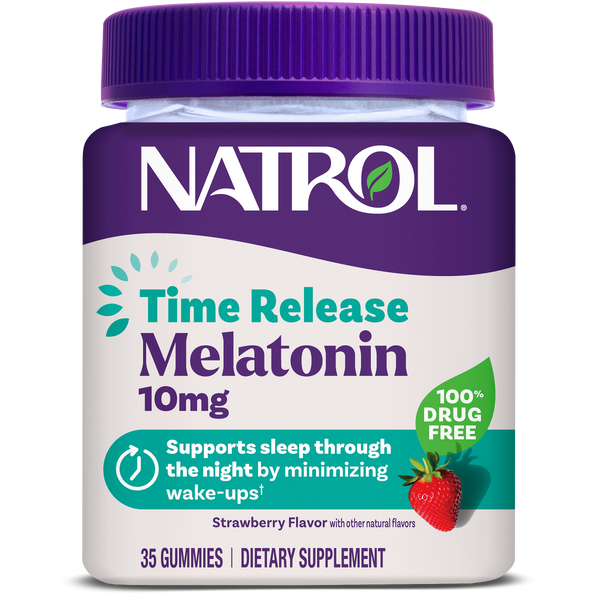
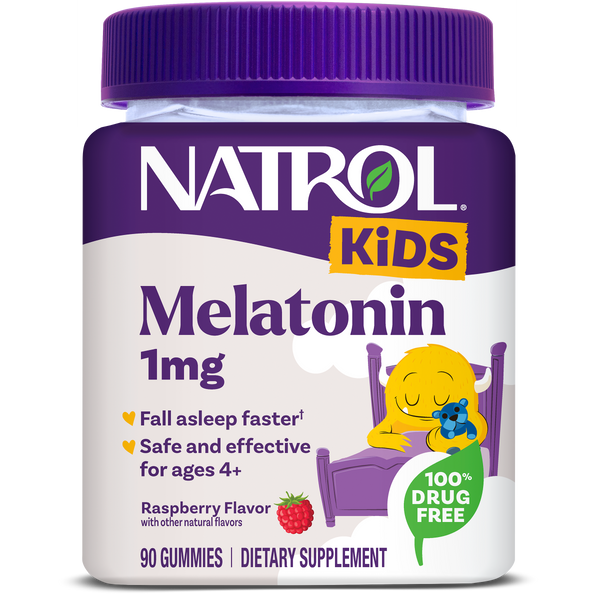
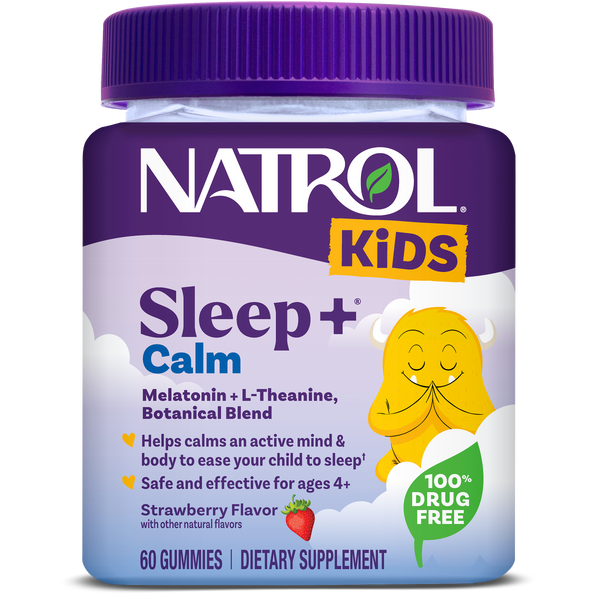
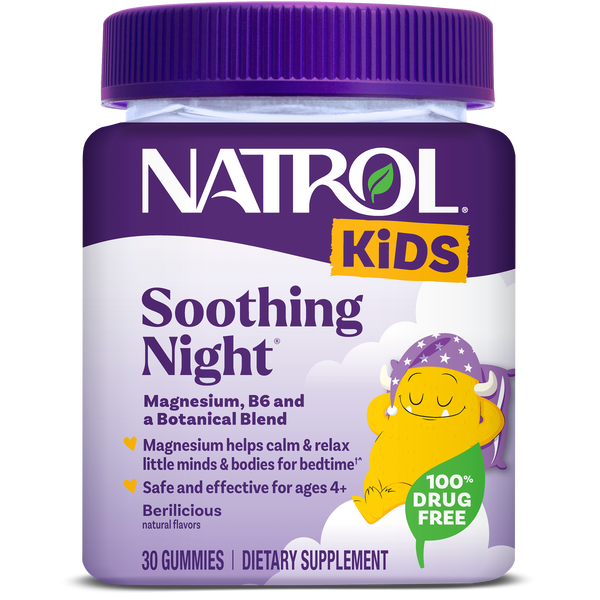
Dietary supplements are regulated by the FDA, but it is still a good idea to do a little homework to ensure the best sleep aid for your sleep needs. To ensure you're putting safe supplements into your body, look for trusted brands like Natrol®.
Keep an eye out for seals on the bottle from independent organizations like USP (United States Pharmacopeia) or NSF International. These logos are like a stamp of approval guaranteeing that what is written on the label is exactly what is inside the bottle, with no hidden fillers or unexpected dosing surprises.
A Safe, Reliable Tool
When used thoughtfully, melatonin is an incredibly safe, reliable tool to help you reclaim your nights. By choosing high-quality, safe supplements, keeping your doses mindful, and pairing them with a dark, cool bedroom, you'll be well on your way to a deeper, more restful night. Listen to your body, give it the gentle support it needs, and sleep tight!
Frequently Asked Questions
Is melatonin safe to take every single night?
Taking melatonin every night is generally safe for short periods, such as a few weeks to a couple of months, to help reset your internal clock. However, for long-term chronic insomnia, it's best to consult a healthcare professional to address the root cause of your sleep challenges.
Can you become addicted or dependent on melatonin?
No, melatonin is non-habit forming and does not cause physical addiction or dependency. Unlike traditional sleeping pills, stopping melatonin won’t cause withdrawal symptoms or "rebound insomnia" where your sleep suddenly gets worse than before.
What is the safest dose of melatonin to start with?
The safest way to introduce melatonin to your routine is to start low. A dose of 1 mg to 3 mg taken roughly an hour before bedtime is usually the sweet spot for most adults looking to sleep better without waking up groggy.
Does melatonin interact with other medications?
Yes, melatonin can interact with certain medications, including blood thinners, blood pressure medicines, immunosuppressants, and some diabetes medications. If you take any daily prescriptions, call your doctor or pharmacist to ensure it's completely safe to ensure they are safe to consume together.
Is it safe for pregnant or breastfeeding women to take melatonin?
Because there isn't enough long-term clinical research to guarantee absolute safety for developing babies, medical experts generally recommend that pregnant or breastfeeding individuals avoid melatonin supplements unless explicitly cleared by their doctor.
Does taking a melatonin supplement stop my body from making its own?
No. This is one of the biggest myths out there! Thankfully, short-term use of a melatonin supplement does not shut down your body’s natural production or cause your pineal gland to "get lazy." Your body will continue to make its own natural sleep signals once you stop taking it, which is why it doesn't cause a dependency.
Can melatonin help with morning grogginess if I take it for jet lag?
Actually, it can! While taking too high of a dose can cause occasional grogginess, clinical research shows that using a low dose of melatonin at the correct local bedtime is highly effective for reducing overall jet lag symptoms and shifting your internal clock to a new time zone, helping you wake up more alert. Study


