







Melatonin Myth Busters:
Test Your Knowledge of the #1 Doctor Recommended Ingredient for Sleep*
Myth
Melatonin is a sleeping pill that knocks you out immediately.
Fact
Melatonin doesn’t work like a sleeping pill. It’s a hormone that signals to your body that it’s nighttime, helping regulate your internal clock (circadian rhythm).
Myth
Melatonin is a sleeping pill that knocks you out immediately.
Fact
Melatonin doesn’t work like a sleeping pill. It’s a hormone that signals to your body that it’s nighttime, helping regulate your internal clock (circadian rhythm).
Myth
If you take melatonin long-term, your body will stop producing its own and disrupt your hormones.
Fact
There is no evidence that suggested use suppresses your body’s natural melatonin production or disrupts hormones in healthy adults.
Myth
If you take melatonin long-term, your body will stop producing its own and disrupt your hormones.
Fact
There’s no strong evidence that typical use suppresses your body’s natural melatonin production or disruptshormones in healthy adults.
Myth
More melatonin means better or faster sleep.
Fact
Everyone’s body is different, and there’s no one-size-fits-all dosage. Higher doses may be needed for some but, for many people, lower doses taken at the right time are often just as effective. It’s important to find the dose that works for you.
Myth
More melatonin means better or faster sleep.
Fact
Everyone’s body is different, and there’s no one-size-fits-all dosage. Higher doses may be needed for somebut, for many people, lower doses taken at the right time are often just as effective. It’s important to find the dose that works for you.
Myth
Melatonin supplements are unregulated.
Fact
Melatonin is regulated in the U.S. as a dietary supplement under the FDA’s Dietary Supplement Health and Education Act (DSHEA).
Myth
Melatonin supplements are unregulated.
Fact
Melatonin is regulated in the U.S. as a dietary supplement under the FDA’s Dietary Supplement Health andEducation Act (DSHEA).
Myth
Melatonin is addictive.
Fact
Melatonin is not habit-forming and doesn’t cause dependence or withdrawal like many prescription sleep medications.
Myth
Melatonin is addictive.
Fact
Melatonin is not habit-forming and doesn’t cause dependence or withdrawal like many prescriptionsleep medications.
Myth
All melatonin supplements are the same.
Fact
Melatonin products can vary widely in quality, purity, and whether the dosage on the label is the same as it is in the product. Choosing a reputable melatonin supplement tested for purity and potency can make a meaningful difference in both safety and effectiveness.
Myth
All melatonin supplements are the same.
Fact
Melatonin products can vary widely in quality, purity, and whether the dosage on the label is the same as it isin the product. Choosing a reputable melatonin supplement tested for purity and potency can make a meaningful difference in both safety and effectiveness.
Myth
Melatonin stops working over time because your body becomes desensitized.
Fact
There’s no evidence that the body builds a tolerance to melatonin in the way it does with certain sleep medications. When people feel it “stops working,” it’s often because of incorrect timing or changes in their sleep patterns and not because their body has become resistant to it or gotten “used to it.”
Myth
Melatonin stops working over time because your body becomes desensitized.
Fact
There’s no strong evidence that the body builds a tolerance to melatonin in the way it does with certain sleepmedications. When people feel it “stops working,” it’s often because of incorrect timing or changes in their sleep patterns and not because their body has become resistant to it or gotten “used to it.”
Myth
Melatonin isn’t safe.
Fact
Melatonin is a well-studied, naturally occurring hormone with decades of scientific research and expert guidance affirming that it is a safe and effective option for temporary support. Beyond safety, research has also identified several potential health benefits, including supporting circadian rhythm regulation, improving sleep quality, helping to fall asleep faster and staying asleep longer.
Myth
Melatonin isn’t safe.
Fact
Melatonin is a well-studied, naturally occurring hormone with decades of scientific research and expert guidance affirming that it is a safe and effective option for temporary support. Beyond safety, research has also identified several potential health benefits, including supporting circadian rhythm regulation, improving sleep quality, helping to fall asleep faster and staying asleep longer.
Myth
Melatonin isn’t safe for kids.
Fact
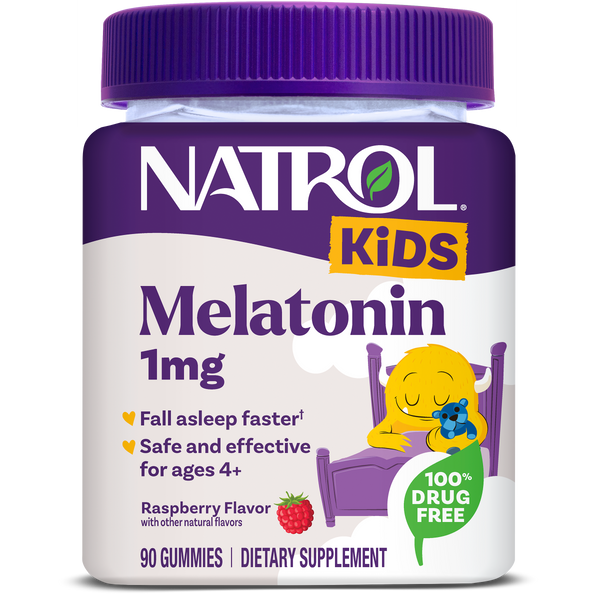
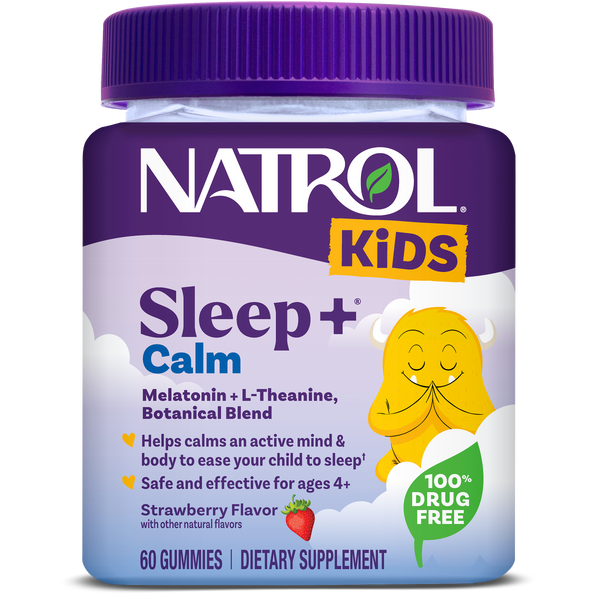
Melatonin is safe for kids when used appropriately and under the guidance of a pediatrician. Healthcare experts typically recommend starting at a low dose, 1 milligram or less, with many kids not needing more than 1-3 milligrams. Parents should consult with their child’s pediatrician before use, especially for younger kiddos or ongoing sleep concerns.
Myth
Melatonin isn’t safe for kids.
Fact
Melatonin is safe for kids when used appropriately and under the guidance of a pediatrician. Healthcareexperts typically recommend starting at a low dose, 1 milligram or less, with many kids not needing more than 1-3 milligrams. Parents should consult with their child’s pediatrician before use, especially for younger kiddos or ongoing sleep concerns.